Mindly Different
Coaching for the beautifully different mind


Category: Personal
Some experiences can’t be explained by theory alone.
In this section, I share personal reflections on neurological change, identity, recovery, and living with a different brain. These pieces are not prescriptions, but invitations – to recognize yourself, feel less alone, and allow complexity without needing to resolve it too quickly.
-

Some people learn that being needed feels safer than having needs. This post explores the psychology of chronic caretaking, why expressing needs can feel dangerous, and how to shift from self-erasure to mutual, emotionally safe relationships.
-

Supporting neurodivergent individuals during the holidays involves understanding their unique needs rather than enforcing resilience. Small adjustments, like planning exits, managing sensory input, and prioritizing recovery time, can significantly enhance well-being. Redefining holiday enjoyment focuses on quality experiences over quantity, allowing for emotional complexity and self-permission.
-

Narcissistic parenting can profoundly affect a child’s developing nervous system, leading to chronic stress and a heightened state of vigilance. This post aims to highlight the long-term impacts on adults, such as emotional hypersensitivity and difficulty in relationships. Healing involves creating consistent safety and self-compassion.
-

Burnout in neurodivergent brains is not laziness – it is a physiological response to prolonged load and overstimulation. This piece explores energy depletion, stress hormones, autonomic dominance, and recovery limitations, offering validation and strategies for pacing, restoration, and nervous system replenishment rather than forced endurance.
-

Neurological recovery is not linear, physical, or purely visible. It is a slow, deeply human process shaped by neuroplasticity, energy limits, emotional storms, and identity shifts. This post reflects on what I wish I had known at the beginning – about fatigue, selfhood, grief, and the quiet intelligence of a healing brain.
-
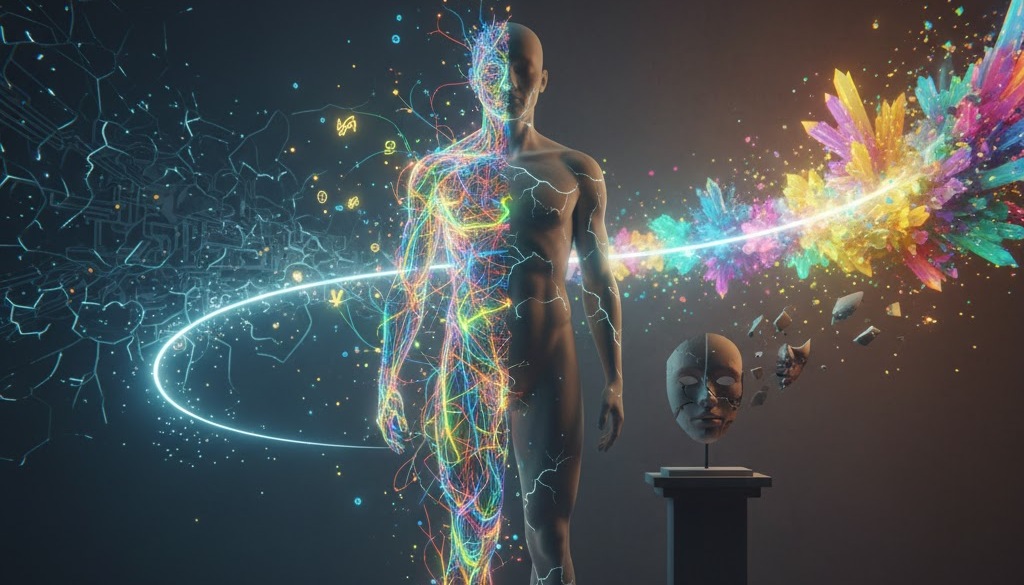
The journey of navigating identity after a neurological change involves profound psychological and emotional shifts. As individuals face disorientation and grief for their former selves, they gradually reconstruct their identities, embracing vulnerability and resilience. This transformation can lead to a deeper understanding of self, promoting a more authentic existence.
-

You can survive surgery and still wake up as a stranger to yourself. This piece reflects on the moment my brain changed – on fear, infarction, identity, and the quiet shock of realizing that recovery is not just physical, but existential. It is a story of loss, adaptation, and becoming someone new.
-

Mindly Different was born from a lifelong fascination with diverse minds and a deeply personal journey through neurological change. This piece explores why “different” is not broken, how lived experience reshaped my work, and why understanding – not fixing – the brain is the foundation of true wellbeing.