Mindly Different
Coaching for the beautifully different mind


Category: Nutrition
What we eat shapes how the brain functions, adapts, and heals.
This section explores nutrition through the lens of neuroscience and nervous system health, with a focus on energy, mood, cognition, and recovery. Here, food is approached not as control or perfection, but as practical, respectful support for a brain doing its best under real-life conditions.
-

Safe foods are more than a habit-they’re a form of nervous system regulation. This article explores the psychology, neurobiology, and biochemistry behind why familiar foods feel safe and how they help reduce stress, increase predictability, and support emotional balance.
-
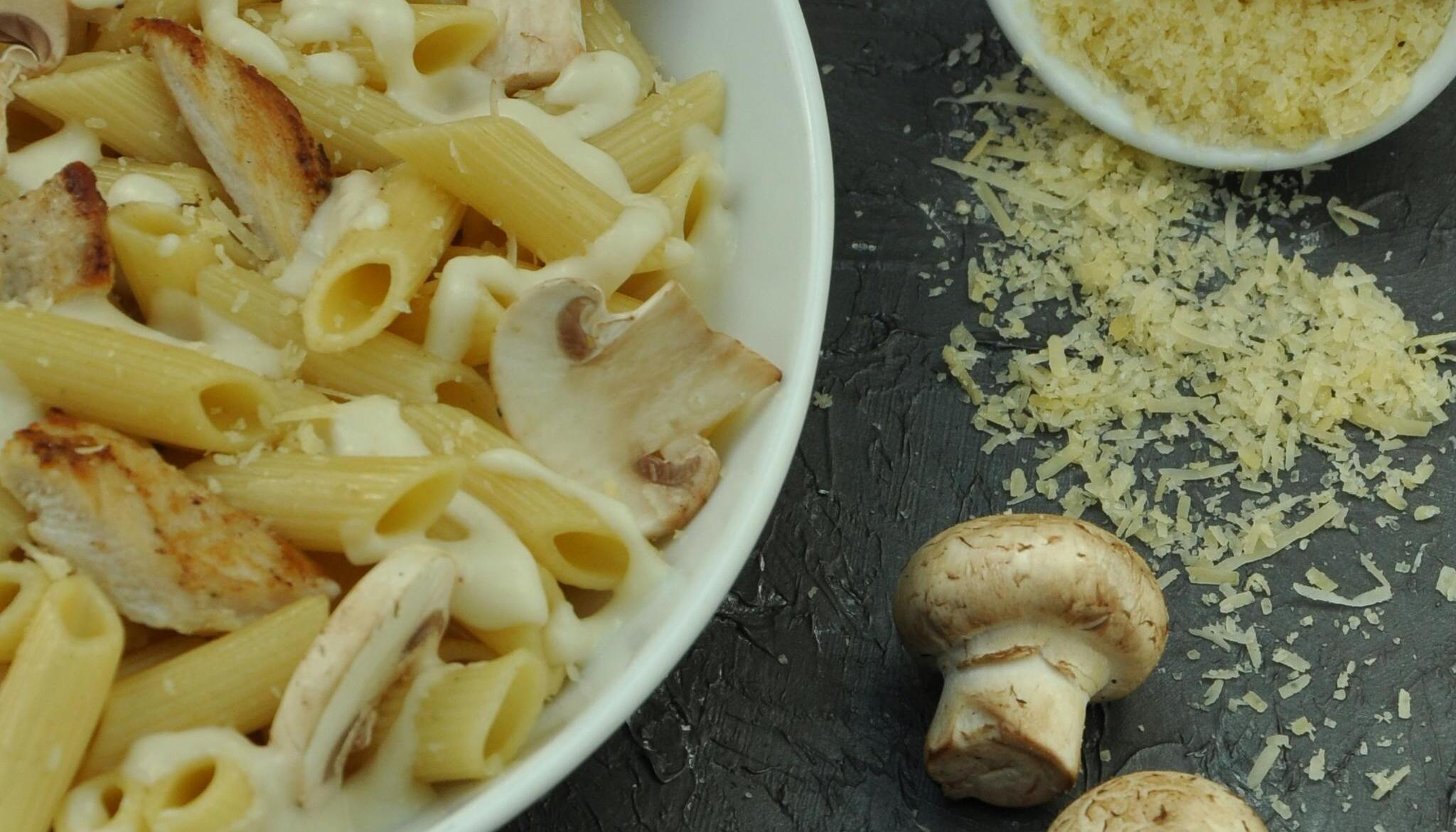
Neurodivergent eating patterns are often misunderstood. Sensory sensitivity, executive function, and nervous system regulation can shape how people experience food. This post explores the psychology and neuroscience behind “unusual” eating habits, and why they are often adaptive, not problematic.
-

For many neurodivergent people, alcohol doesn’t relax the nervous system – it destabilizes it. This article explains, through neuroscience and psychology, why alcohol can increase sensory overload, emotional reactivity, sleep disruption, and recovery time, especially during holidays, and why opting out can be an act of nervous system care.
-

The holiday season can overwhelm neurodivergent individuals, whose nervous systems struggle with dietary changes. Irregular meals and increased sugar can lead to cognitive and emotional instability. Compassionate understanding of these challenges, rather than judgment, can help. Small dietary adjustments can make a significant difference in maintaining balance and well-being during this time.
-

Small molecules, specifically micronutrients, are essential for brain health, underpinning various cognitive functions and emotional regulation. These nutrients, including B vitamins, magnesium, omega-3 fatty acids, and others, support neurotransmitter production, neuronal repair, and inflammation regulation. Recognizing their importance encourages healthier dietary choices that foster optimal brain function.
-

Nutrition matters to brain recovery. This article explores how nutrients influence neurochemistry, inflammation, and energy metabolism after neurological change. It emphasizes stable glucose, protein, micronutrients, hydration, and timing – not perfection – as foundations for supporting cognitive function and emotional regulation during healing.
-

Understanding cognitive energy and nutritional needs reveals the profound connection between food and brain function. By prioritizing nutrient-dense foods, we can enhance mood, clarity, and overall cognitive well-being. Education on nutrition transforms eating from mere survival to a vital support for our brain, cultivating resilience and empowering healthier choices for all.