




When Alcohol Meets a Neurodivergent Nervous System
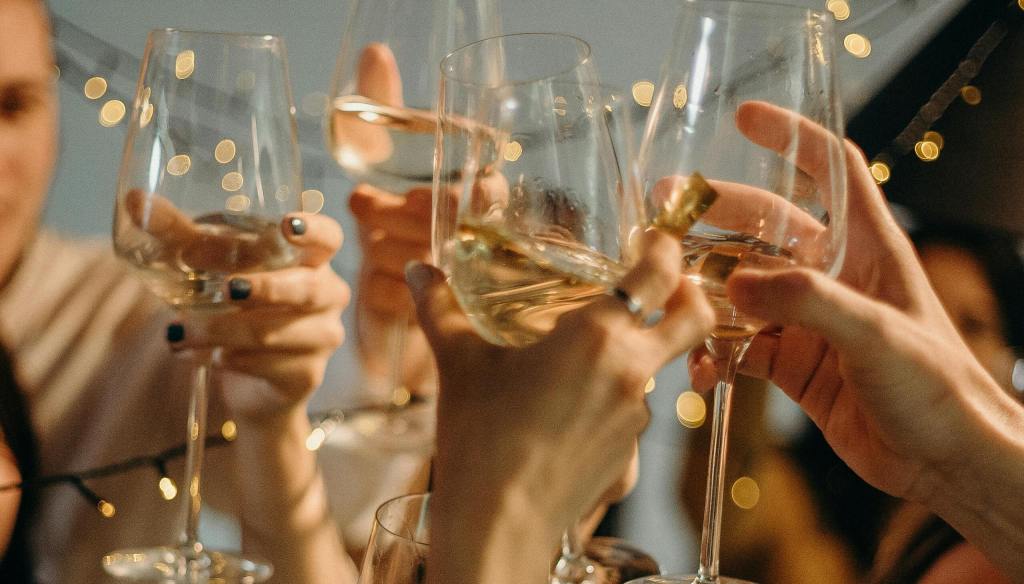
For many people, alcohol is woven into holiday rituals – a glass of wine with dinner, a toast with family, a festive cocktail offered as a sign of belonging. Refusing can feel awkward, even antisocial, “Do not cheers with water!” Drinking is often framed as relaxation, celebration, and connection.
But for many neurodivergent people, alcohol does not soften the nervous system. It disrupts it.
What is often experienced as “not handling alcohol well” is, in reality, a predictable neurobiological response – especially in nervous systems that already process stress, sensory input, and emotional signals differently.
Alcohol and the Brain: A Brief Neurobiology Primer
Alcohol is a central nervous system depressant, but its effects are paradoxical.
In the brain, alcohol:
- Enhances GABA activity (inhibitory signaling)
- Suppresses glutamate (excitatory signaling)
- Alters dopamine release in reward pathways
- Impairs prefrontal cortex function (judgment, inhibition, planning)
Initially, this can feel calming or disinhibiting. But as blood alcohol levels change – and especially as alcohol is metabolized – the brain often rebounds with increased excitability, anxiety, and sensory sensitivity.
For neurodivergent nervous systems, this rebound can be sharper, longer, and more destabilizing.
Why Neurodivergent Brains Often React Differently
As we know already, any neurodivergent nervous systems operate with:
- Higher baseline arousal
- Altered inhibitory–excitatory balance
- Increased sensory input
- Reduced autonomic flexibility
Alcohol temporarily suppresses awareness, but it also reduces the brain’s ability to regulate itself. When that fragile balance is disrupted, the nervous system may swing toward overstimulation rather than relaxation.
This is not tolerance or character. It is neurophysiology.
Different Neurodivergent Experiences with Alcohol
Attention-divergent nervous systems (such as ADHD-related profiles)
Alcohol may initially feel grounding, but often leads to:
- Increased impulsivity
- Emotional dysregulation
- Sleep fragmentation
- Next-day cognitive fog and irritability
The prefrontal cortex – already working hard to regulate attention and behavior – becomes less effective under alcohol’s influence.
Autistic nervous systems
Alcohol can intensify:
- Sensory overload
- Difficulty interpreting social cues
- Shutdown or delayed emotional processing
- Gastrointestinal distress
What looks like social ease during drinking may be followed by significant exhaustion or withdrawal.
Highly sensitive or trauma-adapted nervous systems
Alcohol may lower defenses temporarily, but afterward often triggers:
- Heightened anxiety
- Hypervigilance
- Emotional flashbacks
- Sleep disruption
This occurs because alcohol interferes with limbic regulation and stress hormone rhythms.
Brains affected by injury or neurological change
After concussion, brain injury, or in neurological illness, alcohol can:
- Exaggerate symptoms
- Slow neural recovery
- Increase headaches, dizziness, or cognitive fatigue
In these brains, metabolic and neurotransmitter systems are often less resilient to chemical stressors.
Mental health-related neurodivergence
Alcohol can destabilize mood regulation, worsen depressive symptoms, and interfere with medication metabolism – often in delayed or unpredictable ways.
The Sensory Dimension of Drinking
Alcohol also alters sensory processing:
- Sound may feel sharper or more chaotic
- Lights can become painful
- Internal bodily sensations may feel amplified or distorted
During holiday gatherings – already full of noise, movement, and emotional complexity – alcohol can push an already taxed nervous system past its threshold.
What follows is often misinterpreted as social discomfort or emotional fragility, rather than sensory overload.
Alcohol, Sleep, and the Recovery Cost
While alcohol may help with falling asleep, it:
- Disrupts REM sleep
- Fragments deep sleep
- Increases early morning awakening
For neurodivergent people, whose nervous systems often require more recovery time, this sleep disruption compounds sensory sensitivity, emotional reactivity, and cognitive fatigue for days – not hours.
Psychological Pressure and Masking
Holiday drinking is not just biochemical – it is social.
Many neurodivergent people drink not because they want to, but to:
- Blend in
- Reduce social anxiety
- Appear relaxed or “normal”
- Avoid questions or judgment
This form of masking carries a cost. Alcohol may suppress awareness in the moment, but the nervous system still pays later – often with interest.
A Reframe
Choosing to drink less – or not at all – is not a moral stance or a personal failing. For many neurodivergent people, it is a form of nervous system care.
It may mean:
- Protecting sensory thresholds
- Preserving emotional regulation
- Supporting sleep and recovery
- Respecting your neurological reality
A nervous system that reacts strongly to alcohol is not broken. It is responsive.
The Takeaway
Holiday alcohol consumption is often framed as harmless tradition. But for many neurodivergent nervous systems, alcohol introduces neurological noise, emotional instability, and prolonged recovery demands.
Understanding this allows space for informed choice – and for compassion toward oneself and others.
Sometimes, opting out is not missing out.
Sometimes, it is choosing what keeps the nervous system safe.
By Nataliya Popova
Mindly Different – Coaching for the beautifully different mind
 Mindly Different
Leave a comment