Mindly Different
Coaching for the beautifully different mind





Category: Sensitivity
-

The Psychological Cost of Masking There is a performance many neurodivergent people give every day.Not on a stage. Not for applause. In classrooms, workplaces, family gatherings, and social spaces. It involves studying others’ facial expressions and mirroring them. Scripting conversations in advance. Forcing eye contact even when it feels painful. Suppressing the urge to move,…
-

How to Prepare and Perform Without Burning Out For many students, exams are stressful.For neurodivergent students – exams can feel like a full-body neurological event.It’s not just about knowing the material.It’s about how the brain functions under pressure. If you’ve ever gone blank despite studying, felt physically ill before an exam, struggled to focus in…
-

Academic exams are often treated as neutral measures of knowledge or ability. In reality, they are highly specific neurological environments – ones that place intense demands on attention, memory, emotional regulation, sensory processing, and speed. For many neurodivergent people, exams do not simply test what they know. They test how well their nervous system can…
-

When Alcohol Meets a Neurodivergent Nervous System For many people, alcohol is woven into holiday rituals – a glass of wine with dinner, a toast with family, a festive cocktail offered as a sign of belonging. Refusing can feel awkward, even antisocial, “Do not cheers with water!” Drinking is often framed as relaxation, celebration, and…
-

Neurodiversity, Nutrition, and Seasonal Overload For many people, the holidays bring warmth, connection, and tradition. For others – especially those with neurodivergent nervous systems – they also bring a sudden and profound shift in how the body is fueled. Meals become irregular. Sugar intake increases sharply. Highly processed foods replace familiar, grounding staples. Alcohol becomes…
-

Holidays are often described as a time of joy, connection, and celebration. For many families, they come with traditions, expectations, and emotional meaning. But for people with neurodivergent nervous systems – whether innate or acquired – the holidays can also be deeply taxing. If someone you love becomes quieter, leaves early, seems irritable, withdrawn, overwhelmed,…
-

Supporting a neurodivergent brain during the holidays isn’t about forcing resilience – it’s about working with how the nervous system actually functions. Small, intentional adjustments can dramatically reduce overload and your post-holiday exhaustion.Remind yourself: I don’t need to attend everything.I don’t need to stay as long as others.My wellbeing matters as much as tradition.
-

When Celebration Meets a Sensitive Nervous System For many people, Christmas is imagined as warmth, connection, tradition, and joy. Lights glow, music fills the air, conversations overlap, expectations rise. It is meant to be a time of togetherness. For neurodivergent nervous systems – both innate and acquired – Christmas can feel very different.Not because there…
-
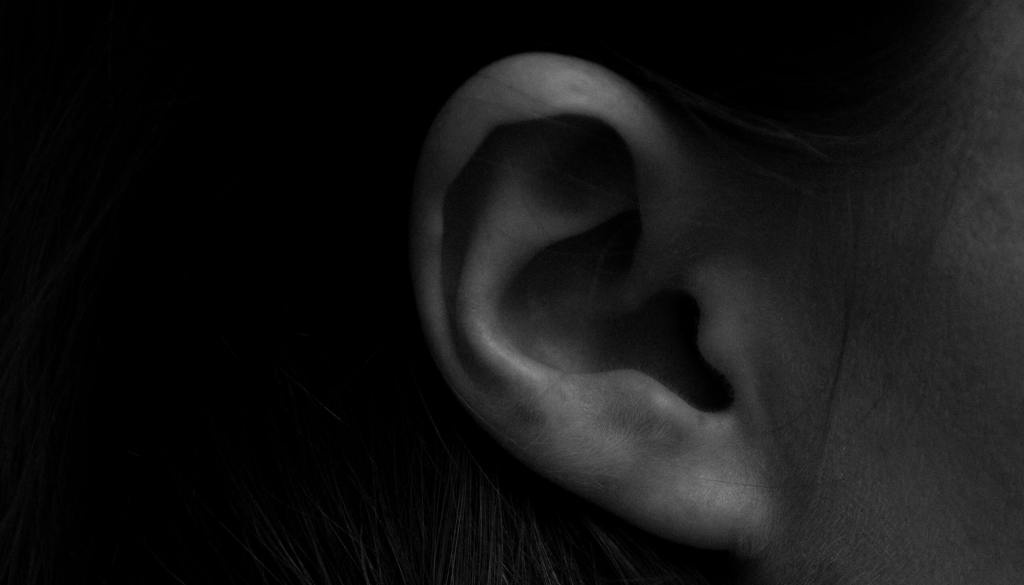
What Your Nervous System Is Responding To Sensory sensitivity is often described as a fixed trait – something you either “have” or don’t. But many people discover, sometimes unexpectedly, that their tolerance for stimulation shifts over time. Sounds that once faded into the background become intrusive. Crowded spaces start to feel heavy. Light, touch, or…
-
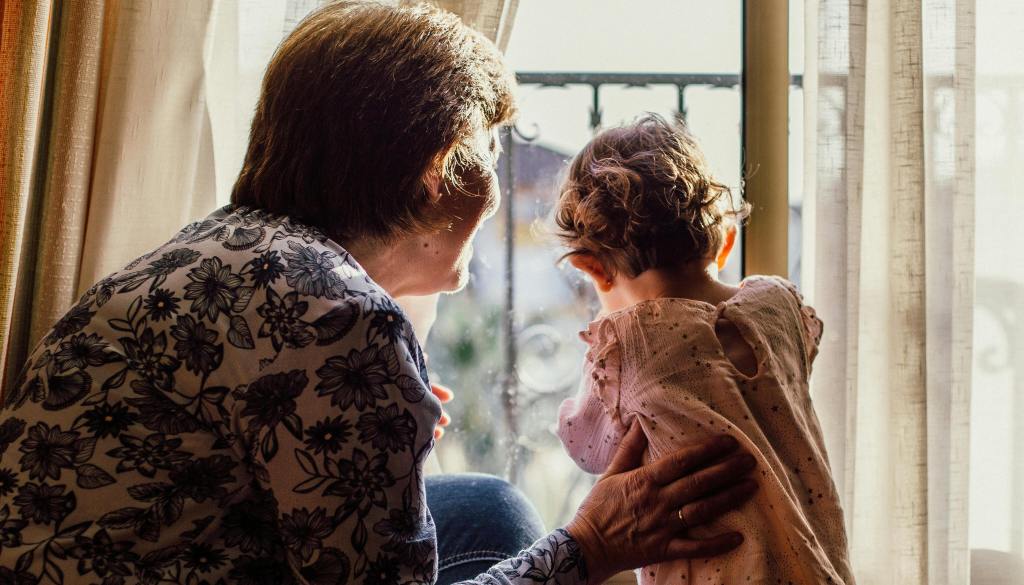
Why It Can Intensify With Age or After Injury Many people assume that sensory sensitivity is something you either “grow out of” or learn to manage better with time. And for some, that is true.But for many others, the opposite happens.Sounds become sharper. Crowded spaces feel heavier. Light, touch, movement, or social stimulation start to…
 Mindly Different