Mindly Different
Coaching for the beautifully different mind




Category: Psychology
-
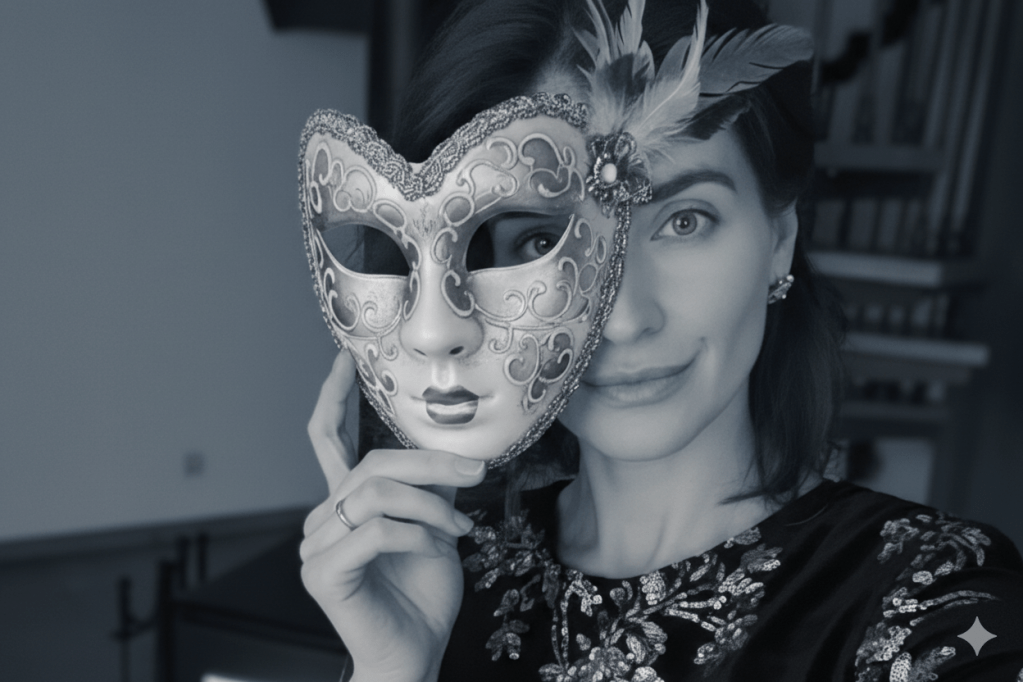
The Psychological Cost of Masking There is a performance many neurodivergent people give every day.Not on a stage. Not for applause. In classrooms, workplaces, family gatherings, and social spaces. It involves studying others’ facial expressions and mirroring them. Scripting conversations in advance. Forcing eye contact even when it feels painful. Suppressing the urge to move,…
-

How to Prepare and Perform Without Burning Out For many students, exams are stressful.For neurodivergent students – exams can feel like a full-body neurological event.It’s not just about knowing the material.It’s about how the brain functions under pressure. If you’ve ever gone blank despite studying, felt physically ill before an exam, struggled to focus in…
-

Academic exams are often treated as neutral measures of knowledge or ability. In reality, they are highly specific neurological environments – ones that place intense demands on attention, memory, emotional regulation, sensory processing, and speed. For many neurodivergent people, exams do not simply test what they know. They test how well their nervous system can…
-

Neurodiversity, Memory, and Emotional Regression For many people, the holidays are not only about lights, food, and togetherness. They are about memory – and memory is never neutral. You may notice that during holiday gatherings you feel younger than you are. More sensitive. More reactive. More anxious or withdrawn. Emotions you thought you had long…
-

Holidays are often described as a time of joy, connection, and celebration. For many families, they come with traditions, expectations, and emotional meaning. But for people with neurodivergent nervous systems – whether innate or acquired – the holidays can also be deeply taxing. If someone you love becomes quieter, leaves early, seems irritable, withdrawn, overwhelmed,…
-

When Celebration Meets a Sensitive Nervous System For many people, Christmas is imagined as warmth, connection, tradition, and joy. Lights glow, music fills the air, conversations overlap, expectations rise. It is meant to be a time of togetherness. For neurodivergent nervous systems – both innate and acquired – Christmas can feel very different.Not because there…
-
What Your Nervous System Is Responding To Sensory sensitivity is often described as a fixed trait – something you either “have” or don’t. But many people discover, sometimes unexpectedly, that their tolerance for stimulation shifts over time. Sounds that once faded into the background become intrusive. Crowded spaces start to feel heavy. Light, touch, or…
-

Many people with sensory sensitivity have heard this advice countless times:“You’ll get used to it”“Just expose yourself more”“Your tolerance will increase if you push through” This idea is often offered with good intentions. It comes from a belief that the nervous system works like a muscle: stress it, repeat the exposure, and eventually it adapts.…
-

How Narcissistic Parenting Shapes the Developing Nervous System Children do not learn safety from explanations.They learn it from consistency. When caregiving is warm, predictable, and emotionally attuned, a child’s nervous system develops around the assumption that the world is largely safe and that distress will be met with repair.But when a parent is emotionally unavailable,…
-
The Link Between Sensory Sensitivity and Trauma Many people live with heightened sensitivity to sound, touch, light, movement, or emotional tone – and quietly wonder why.Why does a crowded room feel unbearable?Why does a sudden noise make the body jolt?Why can a simple touch, a tone of voice, or an unexpected interruption trigger discomfort, panic,…
 Mindly Different